


The European Union (EU) has announced funding for seven AI gigafactories to strengthen its position in artificial intelligence (AI). The goal is to help Europe compete with the United States and China, which are currently leading the global AI race.
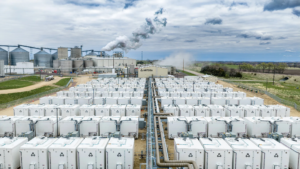
AI gigafactories are large, powerful computing centers designed to develop and train advanced AI models. They contain thousands of high-performance computer chips that can process huge amounts of data. These facilities will support researchers, universities, and businesses working on new AI technologies.
The EU believes that investing in AI is important for economic growth, innovation, and future jobs. By building these gigafactories, Europe hopes to create a stronger technology industry and reduce its dependence on foreign AI companies.
The new facilities will help European startups and research organizations gain access to advanced computing power. Many smaller companies cannot afford expensive AI systems on their own. The gigafactories will give them the resources needed to develop new products and compete in the global market.
The investment is also expected to improve Europe’s competitiveness in areas such as healthcare, manufacturing, transportation, education, and scientific research. AI can help solve complex problems, improve productivity, and create new business opportunities.
However, building AI infrastructure is only one part of the challenge. Europe must also invest in skilled workers, research, cybersecurity, and responsible AI development. Strong rules will be needed to ensure that AI is used safely, fairly, and ethically.
Experts believe that the global competition in AI will continue to grow over the coming years. The United States, China, and the European Union are all increasing their investments in advanced technology. The EU hopes that these seven AI gigafactories will help Europe become a stronger player in the future of artificial intelligence.